Coffee ABC - H is for Home Barista
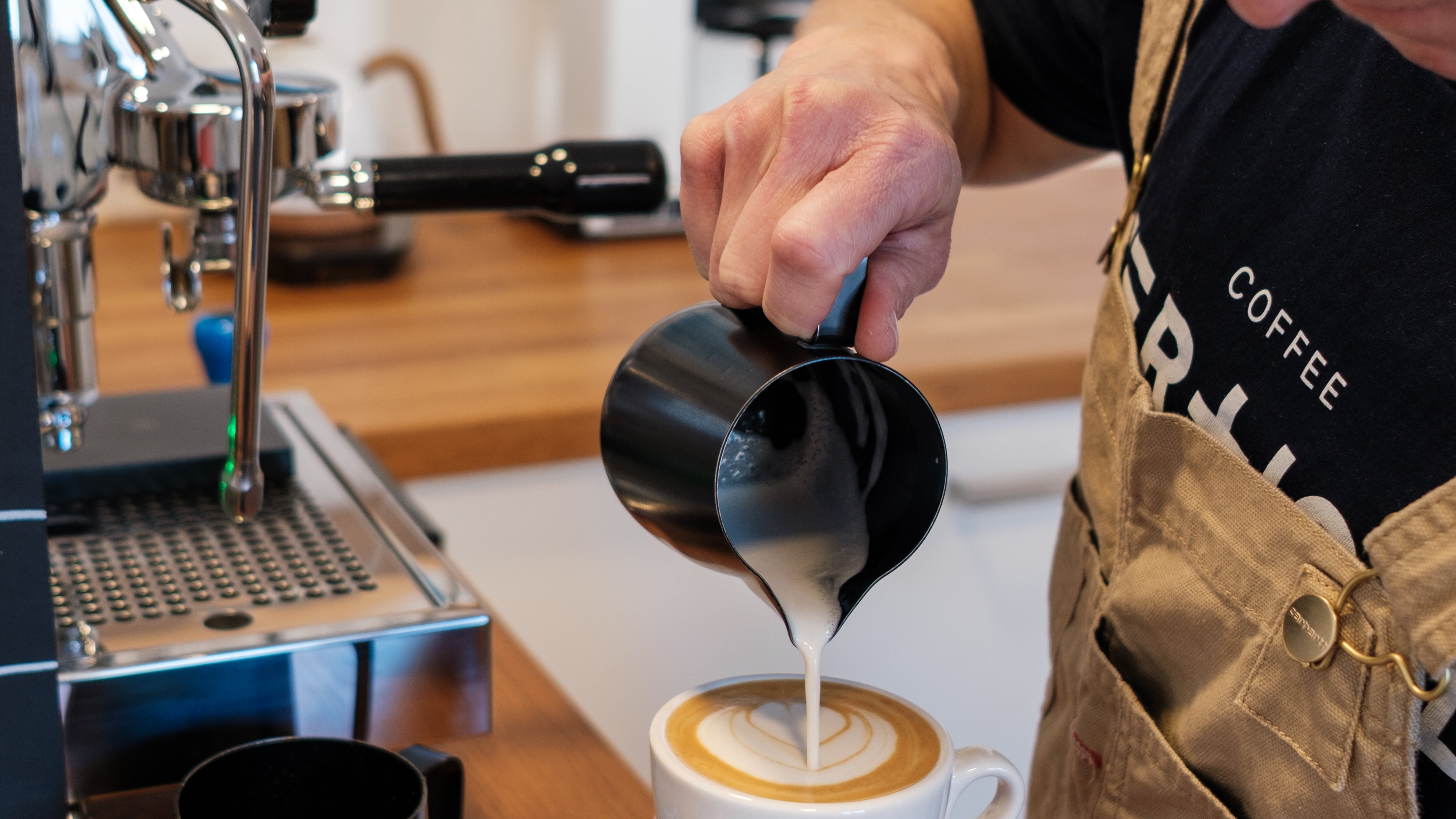
While making coffee at home has a long history, it has made leaps and bounds in the past few years and become way more than just a better way of preparing our favourite beverage.
Let's take a deeper-than-usual dive into the Home Barista phenomenon - how we got here and the rise of the home pro-sumer and why they play in a different league (or a different game) than today's professional barista.
Think back to your childhood days and try to remember how your family members made their coffee at home: For some of us, this was mom adding hot water to two teaspoons of instant coffee and then chucking in a sweetener tab or two plus a dash of milk. For others it may have been dad fiddling with a portafilter early morning trying to squeeze in the coffee pad and extracting a short black. Grandma preparing a filter basket with some dark-roasted pre-ground coffee or your favourite Italian aunty putting the good old moka pot on the stove at the end of an extensive family gathering and getting out the grappa from the dining room cabinet. There were of course those who owned a fancy bean-to-cup fully automatic machine (Saeco, Jura - who remembers?) and you millenials and Gen Z members who probably recall your parents popping a coffee capsule into a machine.
When did the semi-automatic espresso machines actually make their way into the households? Even though lever espresso machines for domestic use were sold back in the Sixties - manual lever machines from manufacturers like La Pavoni have been around for very long - it must have been in the mid 1990ies when for example ECM launched and brought single E61 brew groups into households. And with it the need to learn a craft which for long was reserved for the professional person at the (Italian) bar handling the espresso machine: The Barista. The know-how of how fine to grind the coffee beans, how and how much to fill the portafilter, tamping (if ever) and extracting the perfect espresso, with a nice crema of course. Add foaming milk to a texture of construction foam so it could be piled up as high as possible and anyone perfecting that craft was truly a hero.
In the early 2000s, Barista competitions started to happen and the craft of pulling espresso shots was not only refined but became wider known. The Specialty Coffee Associations (SCA) started dedicated barista training programs to set a benchmark in coffee preparation. While the access was not limited to professionals, it was a way for café owners have their staff trained and a respective certificate became an asset for a barista on the lookout for a job. With competitions and well-trained professionals becoming visible, being a barista became a craft worth aspiring. For many though, this didn't mean aspiring to work in the hospitality industry but to be able to apply this craft at home.
Now the domestic (manual) espresso machine manufacturers started popping up - think of Rocket Espresso founded in 2007 - seeing a gap in the market: the "Home Barista", a new customer segment. What Rocket Espresso did was by no means new. Their founders acquired the aforementioned ECM, wrapped the tried and tested technology in a new shell and heavily marketed their espresso machines toward a technology-affine clientele. Over time, owning a shiny espresso machine and having it on full display in the kitchen or even living room became a statement, an object of prestige and desire. Serving an espresso which was on-par with what you would get served at a proper coffee bar would of course add to the status.
This is where the SCA and their barista courses come back into play. Owning a semi automatic espresso machine requires some sort of knowledge and skill level: Now that this shiny machine and grinder is in my home, how do I adjust the grinder to have a good result? What is a brew recipe and which brew ratios should I use? How much pressure do I need to apply when tamping? And how do I texture the milk properly? What about cleaning and maintenance? All questions that are answered during a barista skills workshop either by your local roastery, someone from your local SCA chapter or espresso machine vendor.
Through widespread barista training and abundant information provided by the internet as well as social media, almost everyone who owns an espresso machine has become better at making coffee than the professionals of back-in-the-day. We have arrived in the age of the pro-sumer - espresso machine, grinder and accessories manufacturers have picked up on this megatrend and are catering to those intrested in upping their coffee game. And in the meantime many folks use way more fancy (and expensive!) equipment for preparing two coffees a day than the busy coffee bar that hits out 500+ drinks per shift.
But what is the difference between the barista working on bar and the geeky home barista? Well first of all, there's a different task at hand: At home, the barista has plenty of time on hand, meaning they can precisely measure the dose of coffee going into the portafilter, prepping the puck with three different tools, applying additional gadgets like extra filters or screens, exactly measuring the output and maybe - if the result is not satisfactory - repeat the procedure. A luxury that doesn't exist at a busy coffee bar with a line going out the door. The key factor for that barista will be keeping the quality of the shot as close to perfect as possible, while keeping consistency high, avoiding wasting product (coffee beans & milk), working swiftly (or better: fast) and spreading friendliness and kindness (i. e. hospitality). All while - due to the slim margins in the hospitality industry - working on sometimes sub-par equipment or definitely not the high-end equipment many dedicated aficionados use.
Then there's the choice of coffee beans which is something that's highly individual. At home, you have the total freedom of purchasing, preparing and drinking the coffee you like and exploring different flavours. All choices that are limited in a commercial coffee shop: The beans must appeal to a fairly broad audience, especially when there's only one coffee on the grinder (extra grinders => extra cost) and the price must fit into a certain budget. So most cafes will opt for a rather generic, cheaper coffee that's a general crowd pleaser instead of a coffee that really stands out but may also put off someone that's not used to more wild and complex coffees.
Putting all these factors together, I think it's safe to say that the home barista game has caught up and very quickly surpassed the professional coffee realm. The industry (especially equipment manufacturers) has seen the niche which could be filled and is driving the pro-sumer movement ahead without needing to take the limitations of professional barista life into consideration.
Where do you stand in the barista world and where do you see your limitations when it comes to making coffee? Is it skills, knowledge, budget, equipment or coffee beans? We'd be excited to hear from you!