Coffee ABC - I is for immersion
There are many ways to extract a tasty beverage from the roasted and ground coffee beans, and there are countless machines, methods, gadgets and gear choices helping you to do so. Add in the different brewing recipes and the possibilities can appear mind boggling and overwhelming. But we can break down the topic so you'll get a clear view on what's the difference in brewing types plus their respective methods and which one may be the one best suited for your taste buds, time, budget, skill and intention to go down the rabbit hole.
To start things off and make brewing simple, we can divide all kinds of coffee preparation into two main types: Percolation and immersion. We'll scratch the surface on percolation but dig deeper into immersion - immerse ourselfs so to speak.
One one hand, there's percolation: You have a bed of ground coffee and the water you use to extract the coffee passes through this bed in a more or less continuous flow. Examples of percolation are the espresso machine, bean-to-cup machine, pourover / drip (manual or automatic) or the stovetop percolator / moka pot.
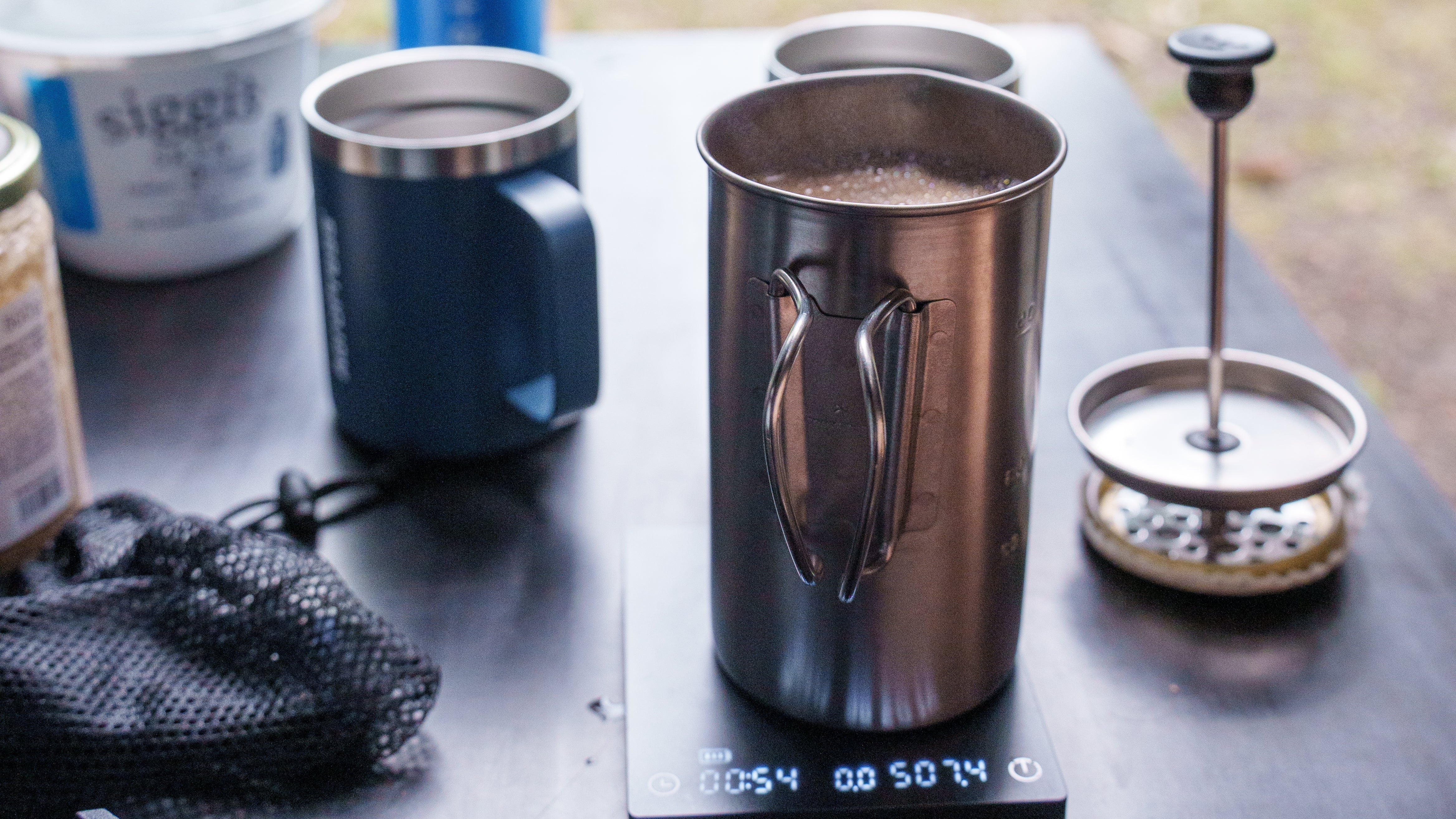
And then there's immersion where all the ground coffee you're using is in contact with all the water you're using - at the same time. The French Press may be the most prominent and wide spread device but the cupping coffee professionals do is another example of immersion. Other immersion brewers include variations of stop-and-go drippers like the Clever Dripper, Hario Switch, Gina Brewer, AeroPress or Syphon.
Think of these two distinct types in an analogy of the shower versus the bath: In a shower (percolation), the water passes the body while in the bath (immersion), the body is completely submerged in water.
What are the pros and cons of these two types?
Percolation is usually associated with a continuous brew and a "clean" cup (this obviously depends on the filter type used, i.e. paperfilter vs metal disc). It also tends to be less messy as the water leaves the coffee grounds with little water retention (think dry puck). So you probably get more liquid in your finished beverage using the same amount of water as with immersion and there is typically some kind of filtration barrier holding back the grounds.
The downside of percolation is that the extraction is easier to get wrong. Why? Well, just like in the shower, it's possible, that some parts don't get "washed" off properly because the water passes by at a certain speed and the water always taking the easiest and quickest way through the coffee bed. Because you have a limited amount of water, there will be parts of the coffee bed that are left untouched and some parts that may be overextracted.
OK, let's move on to immersion. As mentioned, all the ground coffee is in contact with all the brewing water at the same time. Because the grounds move freely within the water, the soluble compounds can be evently extracted from all sides and make for a greater extraction yield. There is no part of the ground coffee particle that will not be touched by the water.
So how do we proceed once we are finished with extracting and we want to drink the coffee? Separating the wet coffee grounds from the actual brew isn't always easy because everything is kind of everywhere and intertwined.
A beverage that has too many coffee grounds floating around - think of a French Press that tastes a bit "sandy" - can be off-putting for many drinkers so they tend to move away from the immersion brew.
Because the "clean" cup is an important factor in thorougly enjoying coffee for many, dripper manufacturers have come up with ways to get the best of both methods: Making sure the extraction is on-point through immersion and separation of the coffee grounds through a kind of percolation at the end of the process.
This brings us to the immersion brew methods that allow you to properly extract the brew and filter off the grounds at the end. And the good news is that there are actually quite a few on the market.
The OG of these devices is the Clever Dripper which has been around for well over 10 years: In the shape of the classic Melitta Brewer (it also uses the classic "04" filter papers), it features a valved bottom which prevents the brew from dripping out when stood on its own. As soon as the desired immersion time is up, you can place the Clever Dripper on a vessel or mug which pushes the valve open and allows the coffee to draw down and filter off any grounds thanks to the filter paper.
There are a few other manufacturers that use a similar mechanism, albeit you can or will have to close or open the valve manually: The Hario Switch or the Gina Brewer would be such devices.
If you've ever had the issue that the filter clogs up instantly on the draw-down - here's a hack* for you: first fill the (closed) dripper with the desired amount of hot water, and then add the ground coffee and make sure it's properly immersed by stirring it gently. Just before you open the valve, give the brew another gentle stir, then do the draw-down. Don't ask me why but by whatever magic, this minimizes clogging!
*shamelessly taken from James Hoffmann's advice on brewing with the Clever Dripper
You may have guessed: The AeroPress - the Swiss Army Knife of Coffee Brewing - can do immersion brewing very well too! The way to do it is to use it "inverted" which means that you assemble the plunger just at the rim of the bottom chamber (without the filter cap screwed on) and set it onto the plunger so you have a closed vessel. You fill this upside-down AeroPress vessel with the desired amount of water and ground coffee and stir to evenly immerse. Then screw on the filter cap (with the filter) and pull down the bottom chamber so there is no air between the brew and the filter. >> This is a vital safety tip as when you later proceed to flip the AeroPress, it will prevent it from breaking apart and burning/hurting you. << When your immersion time is up, flip the AeroPress and press your brew into your vessel of choice. If you're using a paper filter, your coffee will be free of fines but if you're using a reusable disc, it may be a bit gritty.
Probably the fanciest of all "clean" immersion brewers is the syphon: while this device looks a bit like laboratory equipment (and it really is quite a show and a pretty cool physics experience), it is an excellent way to brew coffee. The expansion of air in the bottom chamber causes the heated water in it to rise into the top chamber where all the ground coffee is added to the hot water. After steeping for the desired time, the heat source is removed from below the bottom chamber. This causes a vacuum in the bottom chamber that sucks the brewed coffee back down and filters off the gounds via a paper filter.
Cold Brew coffee is also a type of immersion brew using time as the key extracting factor. There are several ways of filtering off those grounds which tend to absorb larger amounts of liquid than a hot brew: You can use a dedicated brewer that features a mesh filtering element or go through several steps of filtering with a cloth or sturdy piece of filter paper. Do not force the filtering via a filter paper that has an embossed seam (Melitta or V60 for example) - the seam will likely break and you'll have to start over. So your filtering skills will determine how clean your coffee ends up.
Well here it is, yummy coffee using various devices! Which one is your personal favourite?